
Our Rich Heritage
R. Innamaadhoo (އިންނަމާދޫ) is an inhabited island in Raa Atoll (Northern Maalhosmadulhu), about ~160 km north of Malé. For generations the community has been known for carpentry and boat-building; fishing and fish salting were once central, and education has grown since the 1960s. Today around ~962 (Sep 2025) people call the island home.
"On looking at the whole country, the carpentry experts are mostly from Innamaadhoo—from very small fishing boats to large ships."— Wikipedia, Innamaadhoo
Historical Timeline
Education begins
Innamaadhoo School is founded (29 March). Classes later run as Maktab-un-Noor from 1983, teaching Quran, religion, Arabic, Dhivehi, and mathematics.
Registered with MoE
The school is officially registered with the Ministry of Education (3 July 1980), anchoring formal education on the island.
Fishing & fish salting
Many islanders fish and salt fish for trade. This livelihood later declines as boat-building and carpentry prove more sustainable.
Grade 8 introduced
Innamaadhoo School expands to lower secondary education; the island later moves to a single-session timetable in 2010.
Nation’s carpentry centre
Innamaadhoo is widely known for skilled boat builders—from dhonis to larger vessels—including craft for resorts across the Maldives. Government initiatives continue to support the trade.
Cultural Heritage
Signature craft
Boat building
Historic trade
Fish salting
Island size
875 m × 475 m
Population (2022)
663 residents
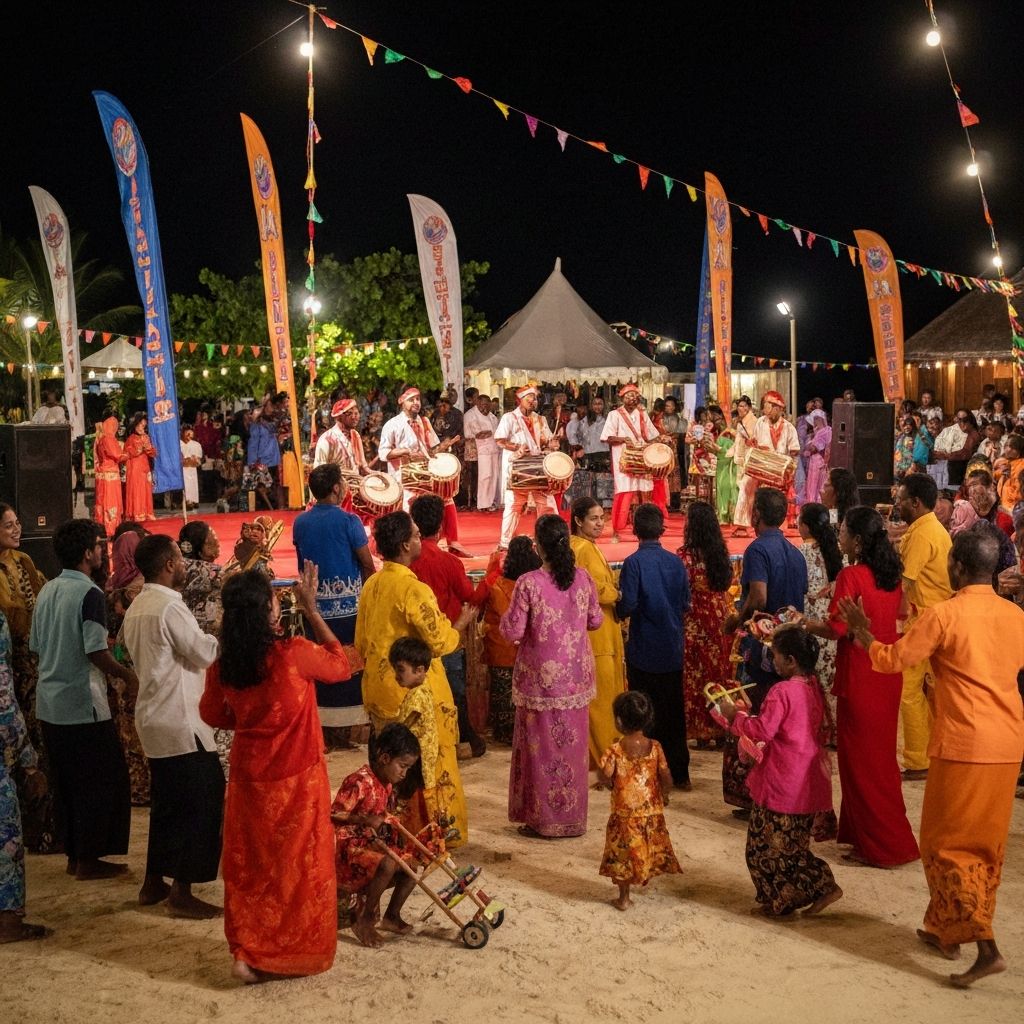
Building for the nation
Diving boats, rowboats, and ferries for resorts and atolls are still built here—keeping a living craft alive.
Historical Landmarks
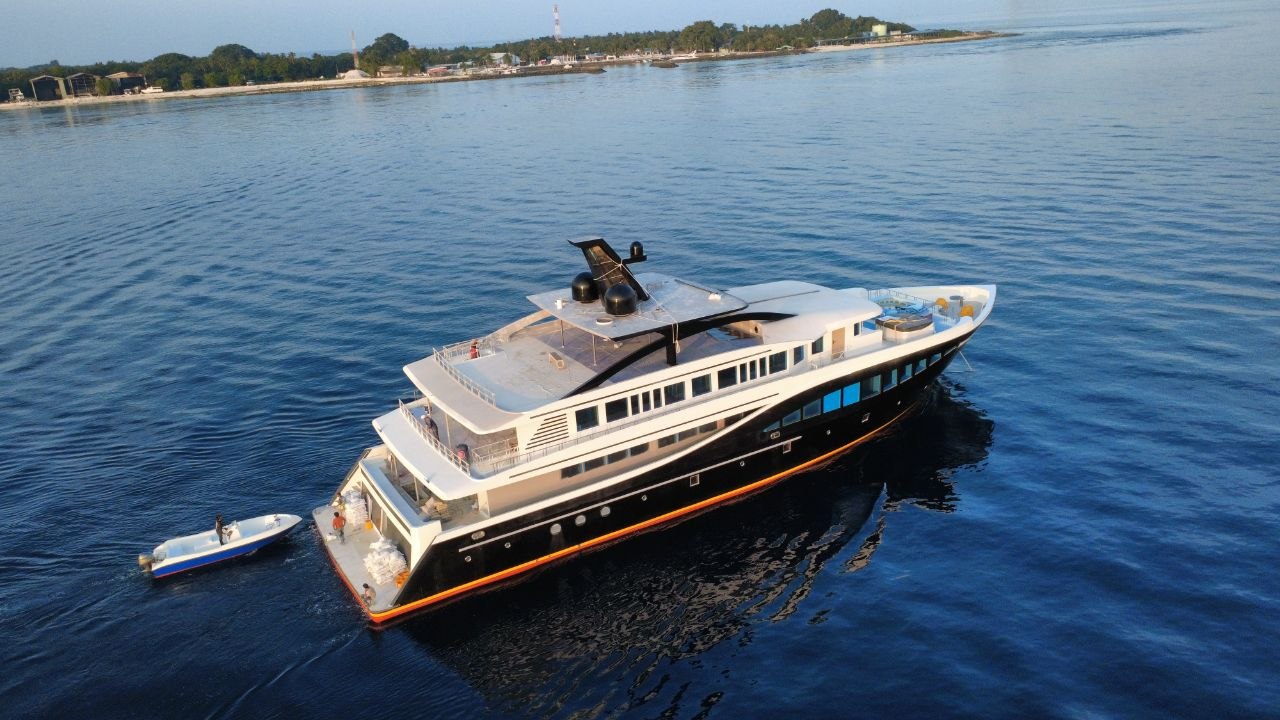 Maritime craft
Boat-building workshops
Workyards where Innamaadhoo craftsmen build and repair fishing boats, ferries, and resort vessels—a craft the island is famous for nationwide.
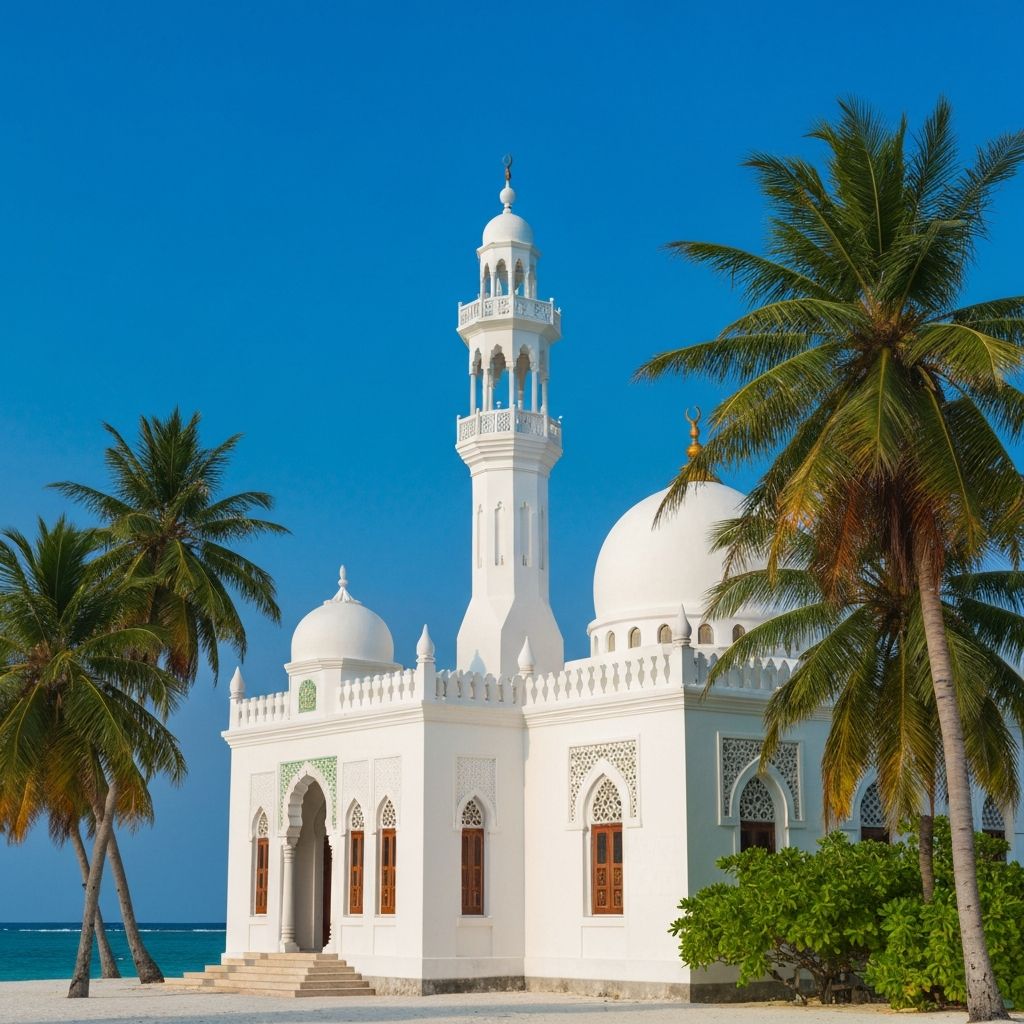 Community life
Friday mosque & community
The island’s mosque and gathering spaces reflect everyday faith and community life in Northern Maalhosmadulhu (Raa Atoll).
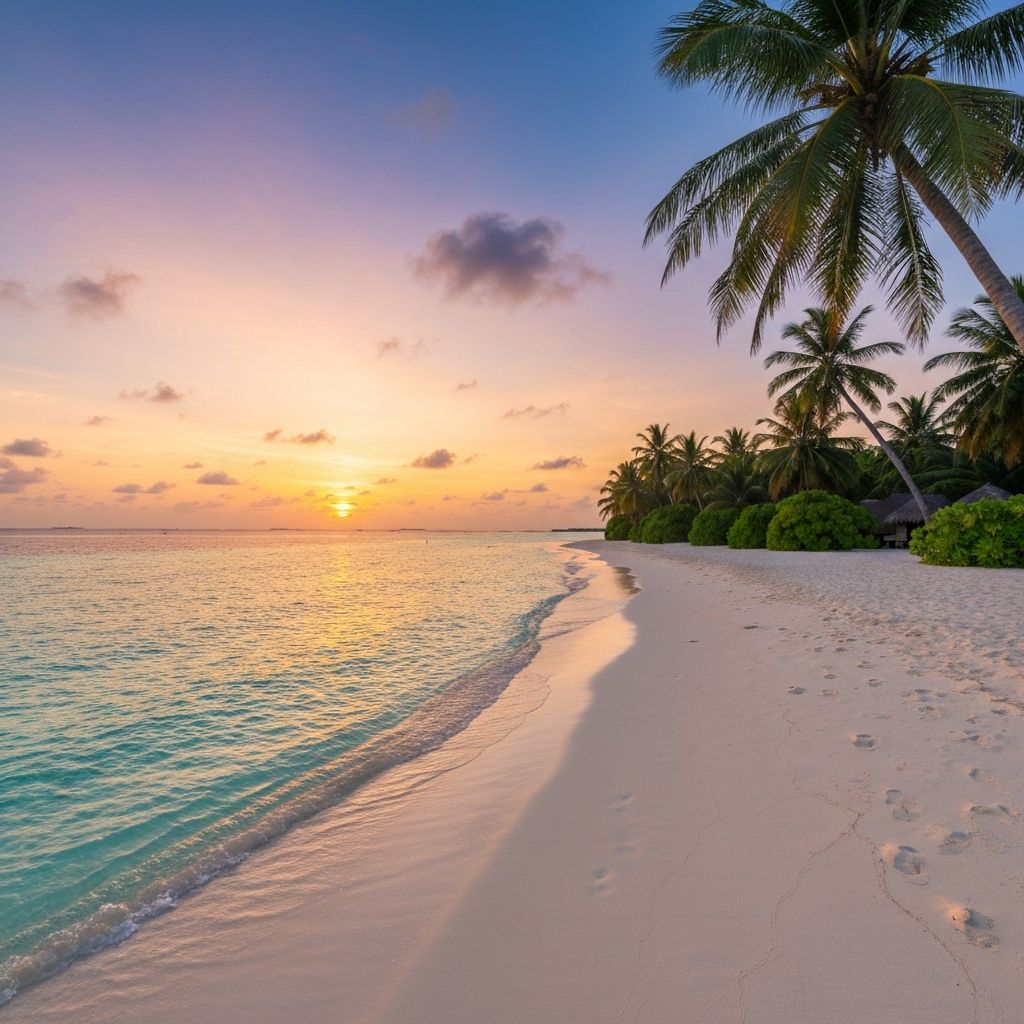 Natural heritage
Sand bank & house reef
White beaches, a large sand bank at one end of the island, and a sheltered house reef shape daily life, fishing access, and island identity.